Skip to content
Search

Text and colours

Text size
Colours

This browser remembers your settings.

Safe and Calm Online

Getting started · 7 lessons · 65 min · 7 quizzes · 8 games · €19.90

You can make the text bigger with the Aa button at the top.

For anyone who wants to use their phone, email and the internet with confidence. Using real cases from 2025–2026, you will see how scammers work, how to recognise them and what to do if something has already happened.

  • 7 lessons of 8–10 minutes, at your own pace
  • large print, no jargon
  • a fridge cheat sheet and a certificate of completion
Try lesson 1 for free (8 min) →

No sign-up and no payment.

Just want a quick overview? Try Don’t Get Scammed for free (4 lessons, 32 min).

Part of the certification:Safe Online in Later Life

€19.90

one-off payment, no subscription

  • 7 short lessons with practice, about an hour in total
  • Large text, no rush and no jargon
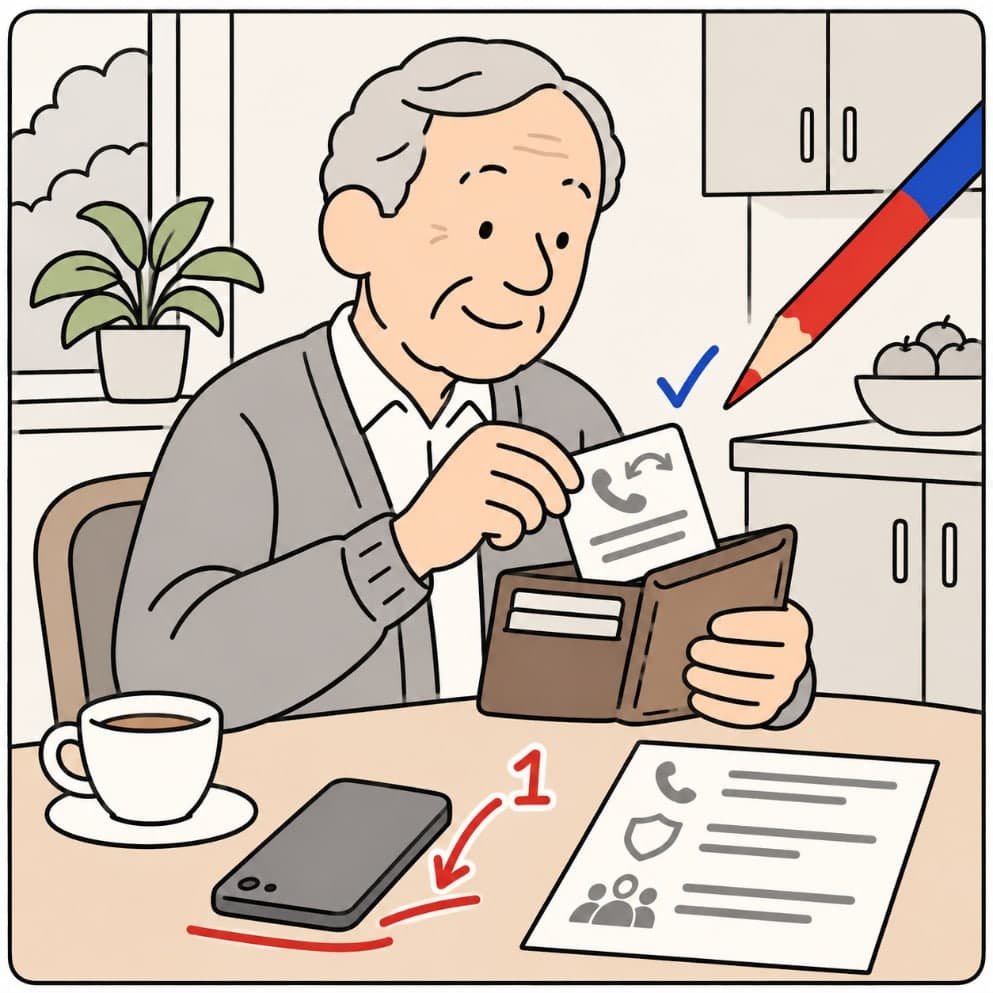
  • Printable fridge cheat sheet, a wallet card and a family code-word card
  • A certificate of completion that can be verified online (with a free account)
  • Access without registering – via a code sent by email
Try lesson 1 for free (8 min) →

No sign-up and no payment.

Card payment via Stripe. The course unlocks as soon as you pay, and we'll email you the invoice.

Sold by FENDR s.r.o., Company ID (IČO) 07899653. The price includes VAT.

Already purchased? Open via email

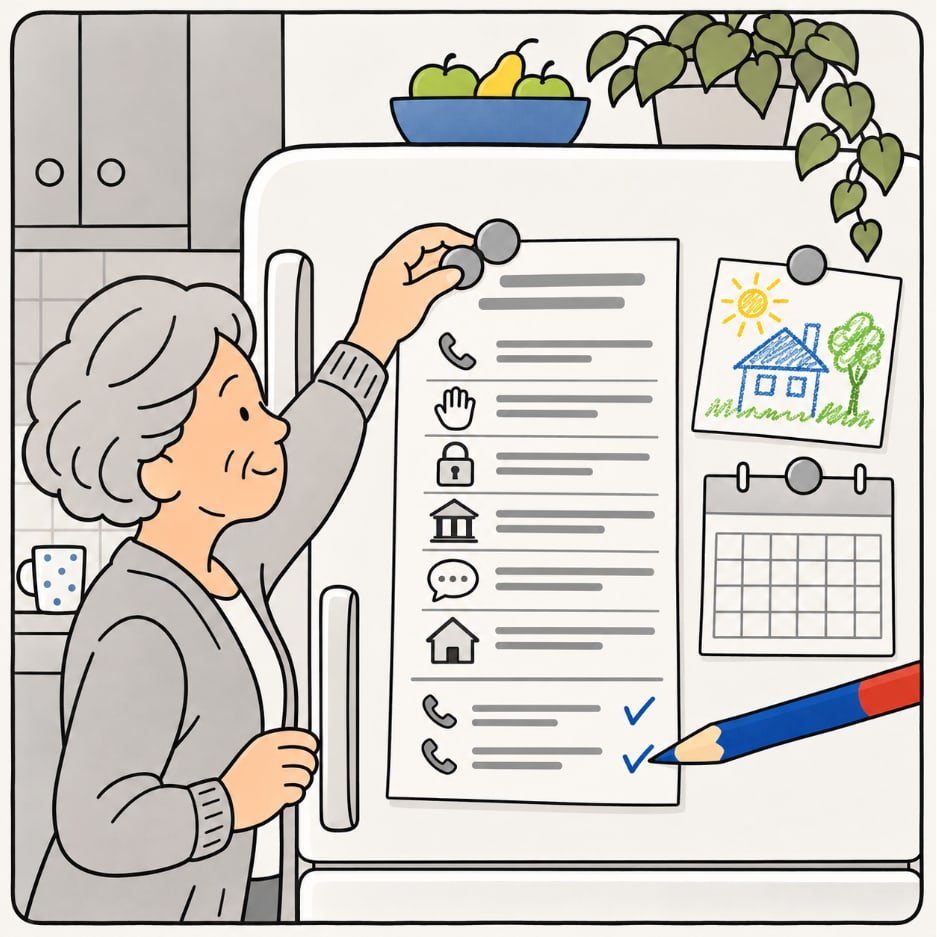
The fridge cheat sheet comes with the course
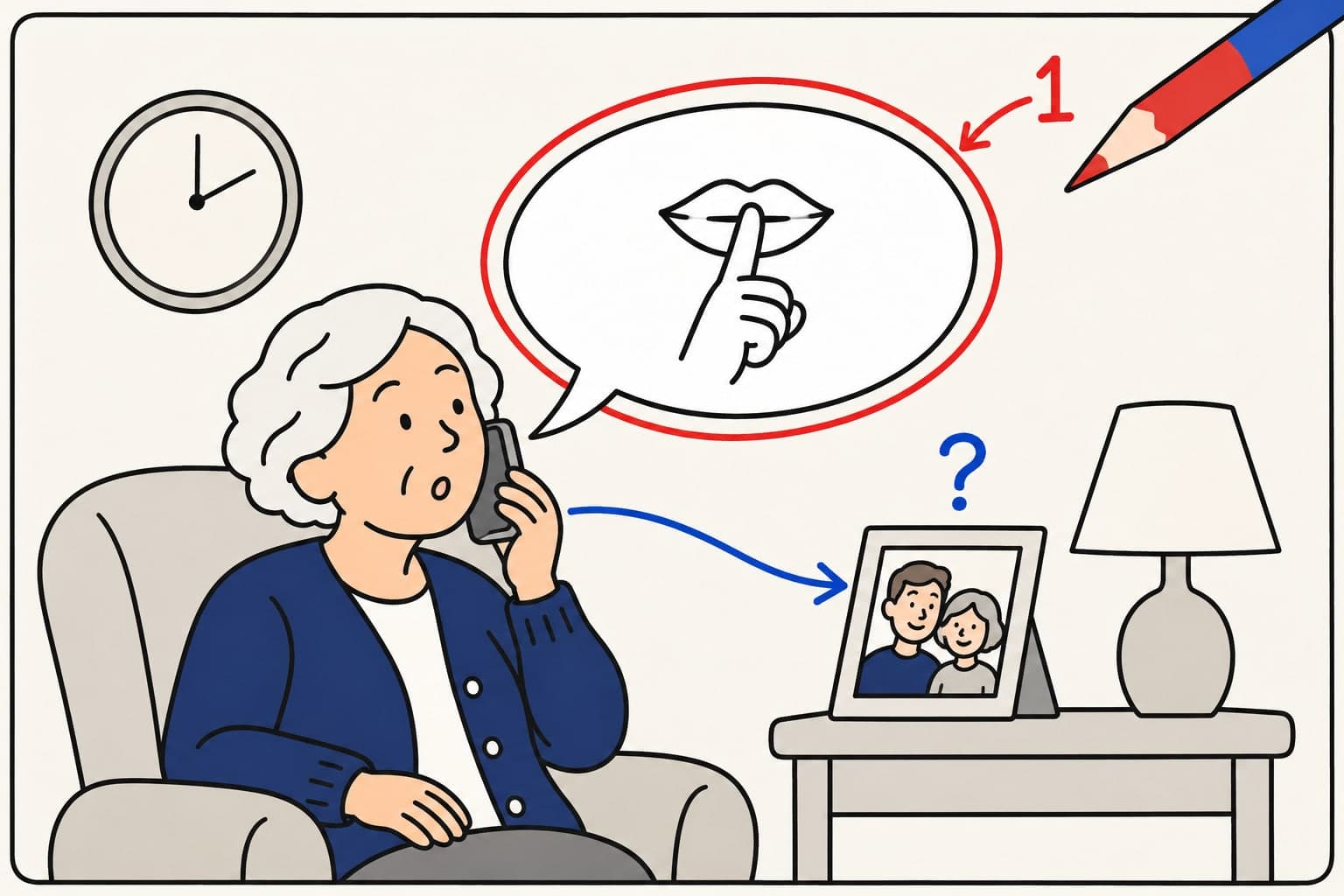
Drawn illustration: an older woman in an armchair is on the phone. A speech bubble from the phone shows a “shh, don’t tell anyone” gesture, circled by the red pencil (1). A blue arrow leads from the phone to a framed family photo on the side table, with a blue question mark above it.

Course contents

  1. 1Why smart people fall for scams – and one rule that protects youScammers don’t target your reason, they target your feelings. Learn to spot the levers they pull, and one rule that always protects you.Free – try it8 min
  2. This lesson is part of a paid courseWhen the phone ringsThe fake banker, the fake police officer, the ‘grandchild in trouble’ and a voice made by artificial intelligence. How to recognise them, and why hanging up is the best answer.10 min
  3. This lesson is part of a paid coursePhone messages: links and codesWhere a link really leads, why a text message code is like your front-door key, and how to secure WhatsApp.10 min
  4. This lesson is part of a paid courseMoney within reach: investments, prizes and fake celebritiesVideos with famous faces, ‘guaranteed returns’ and firms that promise to get your lost money back. What an investment scam looks like, from the first advert to the last euro.9 min
  5. This lesson is part of a paid courseHealth and shopping: miracle cures and fake shopsMade-up professors, cheap ‘hearing aids’ with only a ‘few left’, and online shops with no address. How to shop without worry.9 min
  6. This lesson is part of a paid courseWho is behind it? New acquaintances, fake profiles and chain messagesA kind ‘doctor on a mission’, a neighbour’s second friend request and a ‘send to everyone’ chain email. Three questions that expose most scams and untruths.10 min
  7. This lesson is part of a paid courseWhen it happens – and how to stay protected for goodWhat to do in the first hour, why there’s no need for shame, and how to stay safe for good. At the end you’ll find a short practice quiz and your certificate.9 min

About this course

Author
Pavel Cinkeis, MBA, MPA (sources and procedures checked by the Kriticky.cz editorial team)
Updated

What next

Try lesson 1 for free: Why smart people fall for scams – and one rule that protects you

8 min · free · no sign-up

Try lesson 1 for free (8 min) →